

Octalysis Framework White Hat Core Drives
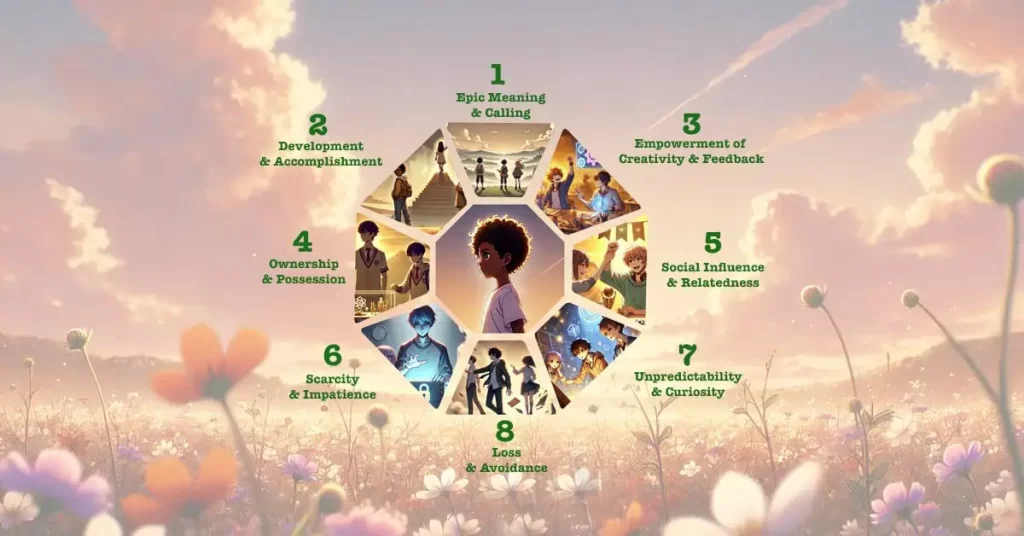
How can teachers build a classroom environment that inspires students to achieve more? Octalysis Framework White Hat Core Drives like Epic Meaning & Calling, Development & Accomplishment, and Empowerment of Creativity & Feedback can help students feel fulfilled, and stay motivated long-term. It sounds like a lofty goal, but it’s entirely possible and you can tap into your students’ intrinsic motivation while catering to different learning styles.
Imagine a classroom where students don’t just complete tasks but thrive because they see the bigger picture and understand the unique value of what they’re learning. This approach doesn’t rely solely on external rewards but a well-thought-out reward system that nurtures growth and creativity. If you’re ready to discover how to foster lasting engagement, consider joining the conversation today.
This post is part of a series! Explore the entire Octalysis Framework and see how it can help you motivate your students. (Don’t let the FOMO pull you away, there is another link at the bottom of this post!)
Quest Map
Breaking Down White Hat Motivation
In the world of educational Gamification with the Octalysis Framework, the focus shifts to creating a positive, meaningful learning environment that connects deeply with students. Octalysis Framework White Hat Core Drives focus on intrinsic motivation, igniting curiosity, fostering personal growth, and helping students feel part of something bigger than themselves. When properly infused into classroom practices, these drives don’t just encourage participation but inspire students to genuinely care about their learning experiences.
Epic Meaning & Calling
Humans have an innate desire to contribute to something larger than themselves, and students are no exception. When lessons emphasize a connection to bigger causes—saving the planet, aiding a community, or advancing social justice—they awaken a sense of purpose in learners.
For example, envision a science project where students research environmental concerns affecting their local community. Instead of just a grade, their findings could lead to an actionable plan to reduce waste in their schools. Students begin to see that they’re part of a broader mission; each step they take matters. Another simple yet effective example? Assigning students to fundraise or create awareness campaigns for food banks or shelters through their creative ideas.
When purpose outweighs rote memorization, you’ll find that students don’t just complete assignments—they invest in them deeply. By embedding concepts like these into your curriculum, you’re empowering learners to see their education as a vehicle for change. To further explore ways this can be achieved, this resource sheds light on how impactful initiatives make education meaningful.

Development & Accomplishment
Nothing feels as good as finishing a task you once thought was impossible, right? The same applies to your students. Recognizing their milestones—no matter how small—lays the groundwork for sustained engagement and confidence in their abilities.
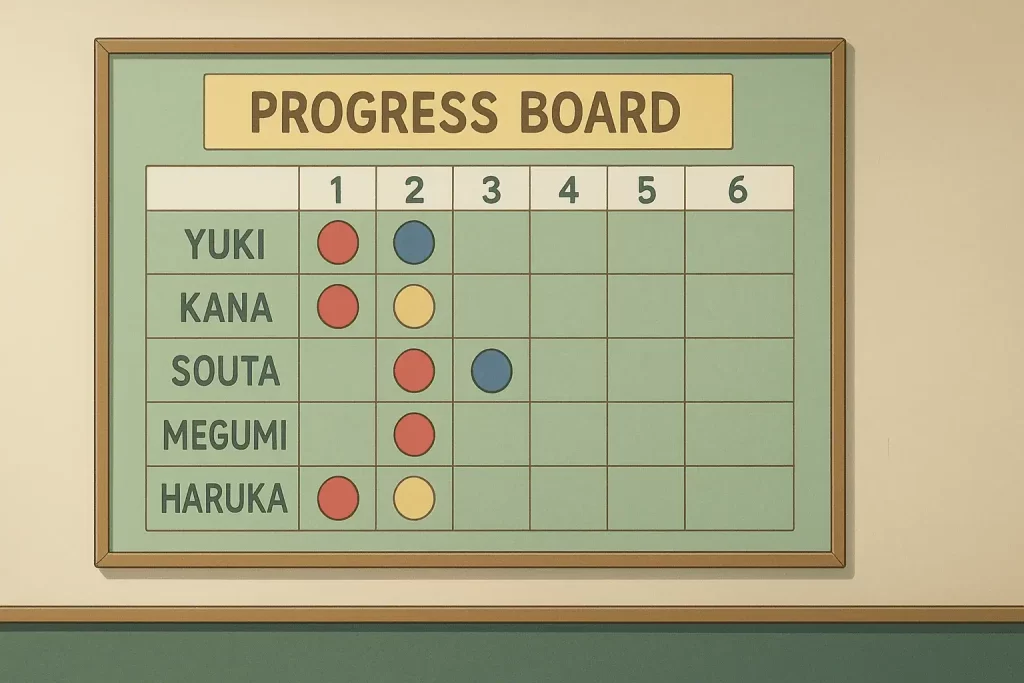
You might incorporate milestone charts where students visually track their progress. Whether it’s mastering multiplication tables or reading an entire chapter book, seeing clear evidence of their growth fuels motivation. And let’s talk game-style badges: they’re simple yet effective. Rewarding students with a “Problem-Solving Pro” or “Creative Thinker” badge goes a long way in reinforcing effort over mere results.
Take it one step further by gamifying your classroom’s reward system. Offer certificates or levels that students can advance through at their own pace. These tools combine fun with tangible achievement, helping every learner—regardless of their learning style—stay on track. Interested in leveling up your approach? Check out how gamification drives motivation by merging achievement with fun.
Empowerment of Creativity & Feedback
Let’s be honest—students thrive when they’re allowed to innovate. Creativity paired with real-time feedback keeps them engaged, translating effort into visible results. Encouraging open-ended projects or discussions where there isn’t always one “correct” answer gives students freedom to explore.
Think about incorporating collaborative tools like digital whiteboards or classroom forums. These platforms not only boost engagement but also provide immediate feedback opportunities—something students desperately crave. The best part? Experiencing peer interaction fosters leadership and teamwork while offering spaces for creative minds to brainstorm and grow.
For instance, instead of dictating an essay topic, let your students choose subjects they’re passionate about. Perhaps they want to write about their favorite book or debate a current event—these options give power back to them. Feedback loops can include both teacher and peer reviews, ensuring they see progress at every stage.

Gamifying student empowerment doesn’t have to be complicated. Simply providing students with options and pathways widens their perspective, helping them take ownership over their learning.
By carefully blending these White Hat Core Drives into your educational strategy, you’ll create the foundation for a classroom that inspires beyond lessons. And if you’re eager to dive deeper into how the Octalysis Framework can spark creativity and growth in young minds, make sure you don’t miss out on related tips in our ongoing series. Better yet, join the email list to access deeper insights and actionable ideas straight to your inbox.
Why White Hat Motivation is Essential for Students
White Hat Core Drives are rooted in building intrinsic motivation. That means they don’t rely on rewards, gold stars, or fear-of-failure tactics. They connect students to their own curiosity, purpose, and sense of mastery—fueling long-term learning and a healthy relationship with school.
White Hat strategies help:
- Promote emotional safety and reduce classroom anxiety
- Encourage creative risk-taking without fear of punishment
- Shift focus from “winning” grades to developing real-world skills
In short? They make your classroom a place students want to show up for.
The Three Octalysis Framework White Hat Core Drives for K–12 Classrooms
Let’s revisit these drives with classroom-ready examples:
🎓 Octalysis Framework Core Drive 1: Epic Meaning & Calling
If your students ever asked, ‘Why are we doing this?’ — this one’s for you.
Click through to see how storytelling, purpose, and just a sprinkle of world-saving energy can turn your lesson into a mission they actually care about.
- Create service-learning projects
- Connect lessons to global or local issues
- Let students contribute to classroom rules or missions
➡️ Read more about Core Drive 1: Epic Meaning & Calling
🏆 Octalysis Framework Core Drive 2: Development & Accomplishment
Ah yes, the dopamine drive. Progress bars, level-ups, and just the right amount of ‘ooooh shiny.’
This post is packed with ways to help learners see how far they’ve come — and actually want to keep going. Spoiler: it’s not about the stickers. (Okay, maybe a little.)
- Use gamified progress trackers and badges
- Celebrate personal bests, not just top scores
- Build in self-paced level-up systems
➡️ Read more about Core Drive 2: Development & Accomplishment
🎨 Octalysis Framework Core Drive 3: Empowerment of Creativity & Feedback
Let them choose. Let them build. Let them remix your assignment into a puppet show about fractions.
Core Drive 3 is all about giving students space to create and making sure the feedback loop actually loops. (And yes, you can still have structure — this isn’t chaos. It’s ✨structured chaos✨.)
- Offer choices in assignments
- Build in low-stakes peer feedback sessions
- Let students design parts of your curriculum or projects
Each of these can be layered into your current structure—no massive overhaul required.
➡️ Read more about Core Drive 3: Empowerment of Creativity & Feedback
Steps for Teachers to Apply Octalysis Framework White Hat Core Drives
- Pick one drive to focus on first (start small!)
- Set a clear goal: e.g., “I want students to feel more ownership over their writing.”
- Choose one simple tool or tactic that activates the drive
Epic Meaning? Try a classroom mission.
Accomplishment? Add a visible progress board.
Creativity & Feedback? Build in student-choice Fridays. - Reflect with students—what’s working? What’s not?
- Adjust and expand as you get more confident.
Conclusion
Octalysis Framework White Hat Core Drives aren’t just motivational fluff, they’re strategic, research-backed ways to create classrooms that spark joy, effort, and deep learning.
Whether you’re a veteran educator or a gamification newbie, weaving in just one of these drives can transform your classroom climate. And the best part? These strategies aren’t about making your job harder, they’re about making learning feel worth it for your students.
Want more gamified teaching ideas that don’t feel like a gimmick? Make sure you’re on our email list. And if you’re loving this series, stay tuned, Black Hat Core Drives are up next.
Want to explore more ways to motivate your students with Octalysis Framework?
Visit the Ultimate Guide to Octalysis Framework.
This comprehensive guide provides an overview of the entire framework and links out to more posts exactly like this one to guide you through all 8 Octalysis Framework Core Drives and even more!

What are White Hat Core Drives in the Octalysis Framework?
White Hat Core Drives are the feel-good motivators in the Octalysis Framework. They include Epic Meaning & Calling, Development & Accomplishment, and Empowerment of Creativity & Feedback. These drives tap into intrinsic motivation—helping learners feel connected, capable, and creative, rather than driven by fear or pressure.
How are White Hat motivators different from Black Hat ones?
Think of it like this:
White Hat = long-term motivation that feels empowering.
Black Hat = short-term urgency that feels a little manipulative if overused.
White Hat strategies leave students feeling inspired and uplifted. Black Hat ones (like fear of loss or time pressure) can light a fire under students but should be used sparingly.
What’s the easiest way to start using Octalysis Framework White Hat Core Drives in my classroom?
Start small and specific. Choose one drive—say, Development & Accomplishment—and add a progress board or achievement badges for finishing units. Or introduce student choice in projects to activate Empowerment of Creativity. One tiny tweak can make a huge difference in engagement.
Can I use these strategies with older students or adult learners?
Absolutely. In fact, White Hat Drives often resonate even more with older learners because they crave autonomy, relevance, and real-world connection. Adults want to feel empowered and purposeful too—these motivators work across ages and settings.
Where can I learn more about the Octalysis Framework and how to apply it in education?
Start with Yu-kai Chou’s breakdown of White Hat & Black Hat drives. For education-specific strategies, keep following this blog series (and join the email list!). Each post will unpack another layer of the framework with tips just for teachers.


