

Octalysis Framework Right Brain Core Drives
Imagine a classroom where students aren’t just passively absorbing information, they’re actually hyped to learn. The Octalysis Framework Right Brain Core Drives promise this with educational gamification. These aren’t your run-of-the-mill “gold star if you behave” kind of motivations. We’re talking deep, emotional, creative stuff, the kind that gives learning actual meaning.
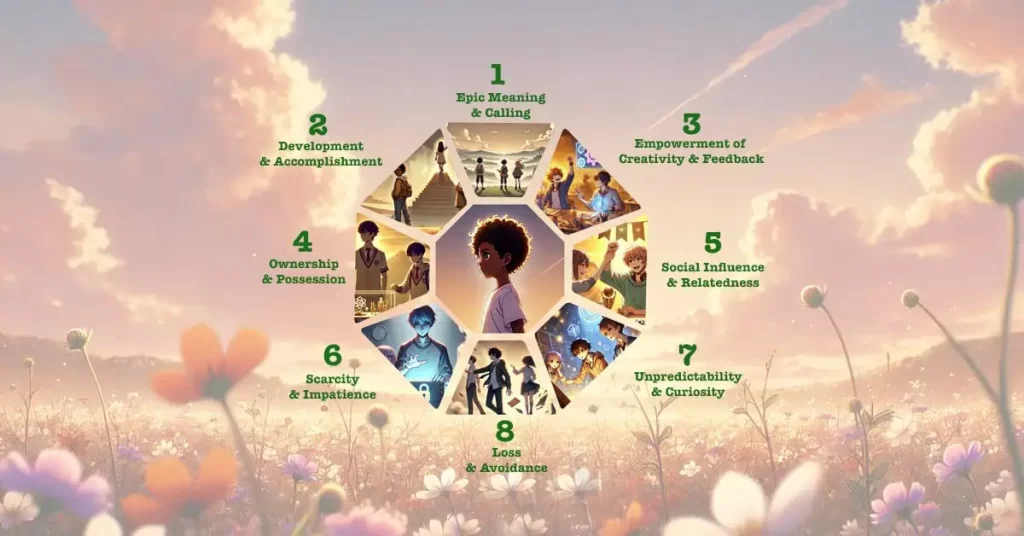
The Octalysis Framework Right Brain Core Drives, Epic Meaning & Calling, Social Influence & Relatedness, and Unpredictability & Curiosity, flip the classroom from “ugh, worksheets again?” to “wait, what’s happening next?!” They speak to the parts of us that want to belong, contribute, and get goosebumps because something feels bigger than ourselves.
In other words: we’re not just filling out bubbles here. We’re shaping curious humans who give a darn.
Let’s break it all down, drive by drive.
This post is part of a series! Explore the entire Octalysis Framework and see how it can help you motivate your students. (Don’t let the FOMO pull you away, there is another link at the bottom of this post!)
Quest Map
Breaking Down Right Brain Motivation
Understanding Octalysis Framework Right Brain Core Drives in educational gamification is like finding the Konami code for authentic student engagement. It’s not about dangling carrots or enforcing rules, it’s about sparking emotion, creativity, and connection.
So let’s pop open each drive like a loot box (minus the microtransactions).
Epic Meaning & Calling: Motivation through purpose and connection to something bigger
Ever cried at the end of a Pixar movie because the story just got you? That’s the power of Epic Meaning & Calling. It’s the inner voice that says, “I’m doing something important here.”
In education, this shows up when students feel like their work actually matters. Not just to the teacher. But to the world. (Or at least their community.)
Example: A science project that tackles a real environmental issue—like helping preserve local wildlife or reducing food waste. Students aren’t just memorizing facts. They’re solving real problems. And that flips the switch from “How do I get an A?” to “How do I make an impact?”
Teacher Tip:
- Partner with community orgs for real-world classroom missions.
- Frame projects like quests with a purpose bigger than the assignment.
- Use storytelling to show how the topic connects to global change.
This isn’t just engagement. It’s enlistment. You’re asking students to care. And they will—because they’re human, not homework machines.

Social Influence & Relatedness: Motivation driven by relationships, teamwork, and recognition
Let’s be honest: half of school is just kids figuring out how to be human around other humans. Social Influence & Relatedness taps directly into that.
Humans (especially the tiny, dramatic ones we teach) crave connection. They want to feel seen, supported, and celebrated, even when they’re pretending to be too cool to care.
Example: A gamified classroom leaderboard where students earn points for collaboration, kindness, and creativity. Or a “team challenge” where each group solves a riddle and earns collective rewards. (Bonus points if they name their team something epic like “The Fraction Faction.”)
Teacher Tip:
- Build in peer feedback. Students listen to each other more than they listen to us.
- Use team-based challenges where progress depends on everyone’s contribution.
- Celebrate social wins, not just academic ones. (Shoutout for helping a classmate? Yes!)
Want more ideas? Check out these tips for motivating right-brained learners.
Unpredictability & Curiosity: Engagement through mystery, surprise, and creativity
Unpredictability isn’t just fun, it’s hooking. It’s why we stay up way too late binging Netflix or why we can’t stop opening emails that say, “You won’t believe this…”
Right Brain learners love mystery. They want the twist, the hidden level, the “I didn’t see that coming!”
Example: Turn a regular lesson into a mystery challenge. A history unit becomes a detective case. A math lesson hides clues to a code that unlocks the next problem. Or throw in a surprise guest speaker, plot twist, or wacky prop and watch curiosity explode.
Teacher Tip:
- Use “mystery box” activities to build anticipation.
- Introduce plot twists mid-lesson (e.g., a surprise riddle that changes the outcome).
- Let students guess the next step before you reveal it.
Want to build this into your lessons more consistently? Try these right-brain exercises.
Keeping students inspired isn’t about sticking to the rules, it’s about sparking something real. If you’re loving these ideas, subscribe for more updates. I promise it’ll be fun. (No boring emails, scout’s honor.)

Why Right Brain Motivation Is Essential for Students
Motivation isn’t always loud. It’s often that quiet persistence that nudges a kid to try, again and again, even when it’s hard. Right brain motivation honors that.
It taps into the messy, emotional, wildly creative side of learning that test scores miss entirely. And when you design learning around emotion, curiosity, and relationships, you’re not just delivering content, you’re creating experiences.
Emotional Connections Unlock Deeper Learning
You know how you remember exactly where you were when your favorite song first hit you in the feels? That’s emotion encoding memory. Learning works the same way.
Try this: Turn a history unit into a full-blown storytelling event. Let students play historical figures, reenact moments, or even make memes from past eras. Suddenly, it’s not just “read chapter 5”, it’s “I am Alexander Hamilton, and I demand justice!”
The Power of Social and Creative Interaction
Right-brain motivation thrives on human connection. Kids who feel belonged are more likely to show up, mentally and emotionally.
Try this: Mix team-based activities with creative prompts. A group project to design a game about plant biology? Boom: teamwork + artistic expression + learning = magic.
Want more ideas? Explore educational motivation strategies here.
Mystery and Curiosity Light the Way
If learning feels like an adventure, students want to be the hero.
Try this: Turn routine review sessions into game shows, escape rooms, or story-based quests. Keep students guessing. Sprinkle in surprises. Make each lesson feel like its own episode of Are You Afraid of the Dark?, but, like, educational.
Need more brain science to back you up?
When you bring emotion, social connection, and curiosity into the classroom, you’re doing more than teaching. You’re making school matter. And for a lot of students, that’s the game-changer.
(And honestly? It makes teaching a whole lot more fun, too.)
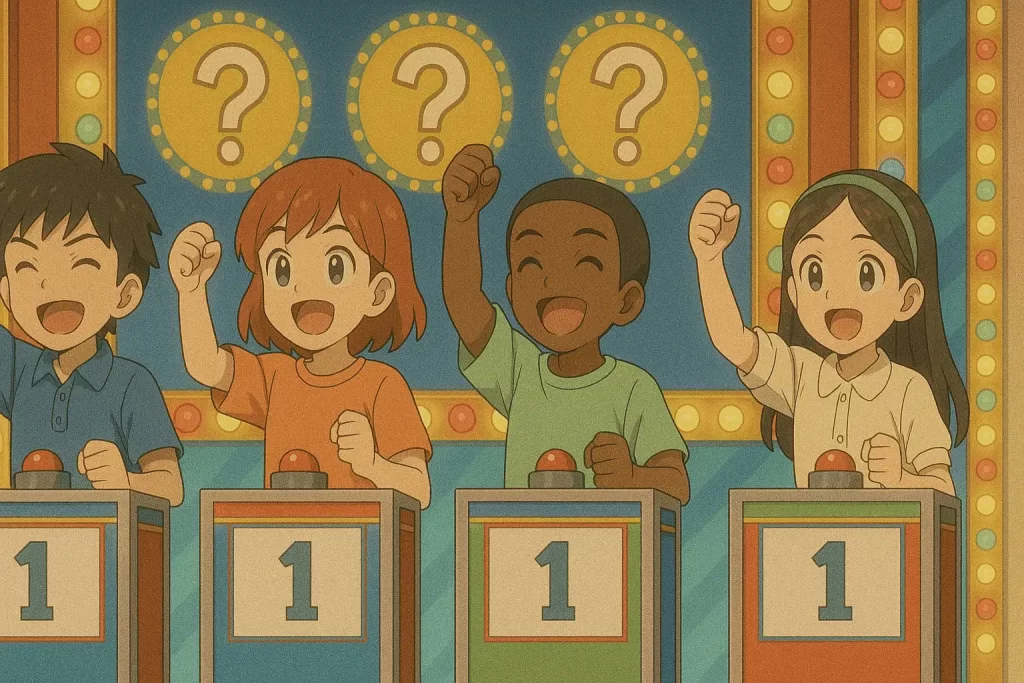
The Three Octalysis Framework Right Brain Core Drives for K-12 Classrooms
Let’s zoom back in on the three biggies of Octalysis Framework Right Brain Core Drives, with classroom-ready strategies to boot.
Epic Meaning & Calling
What it is: The feeling that your work has purpose beyond the grade.
Examples:
- Tie math problems to real-world issues (e.g., calculating carbon footprints).
- Turn class projects into social good campaigns.
- Build class “missions” with clear goals and big-picture meaning.
Pro Tip: Explore how this fits in the Octalysis Framework.
Social Influence & Relatedness
What it is: Feeling like you belong, matter, and are recognized.
Examples:
- Rotate roles in group projects so everyone gets leadership moments.
- Use team-based rewards that require true collaboration.
- Encourage peer shout-outs during reflection time.
Need more inspo? Check out the Octalysis Group’s take.
Unpredictability & Curiosity
What it is: That “what’s next?” itch that keeps us coming back.
Examples:
- Use “mystery objects” or narrative hooks to launch lessons.
- Introduce game elements like spinners, dice, or card draws.
- Let students guide projects with choose-your-own-path options.
Bonus Resource: Gamification strategies for more motivation.
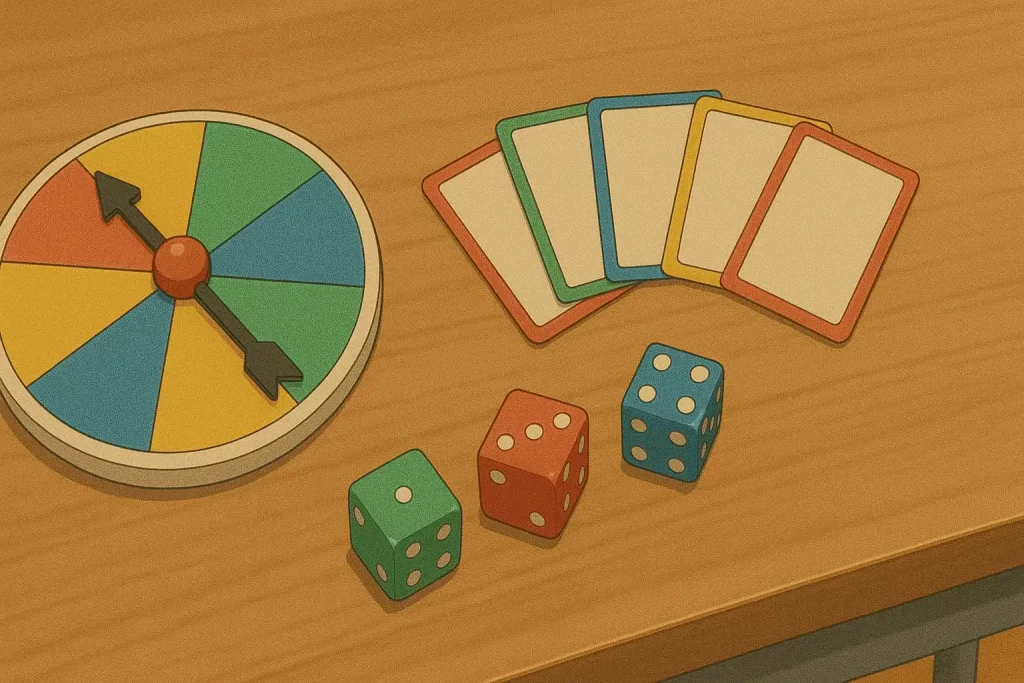
Steps to Foster Octalysis Framework Right Brain Motivation in the Classroom
So how do you actually build this kind of motivation into everyday learning? Three words: Purpose. People. Play.
Step 1: Connect Learning to Personal Purpose
- Start lessons with stories or real-world context.
- Let students design projects that reflect their values.
- Celebrate outcomes that matter to them, not just checkboxes.
Step 2: Build Strong Social Connections
- Create rotating teams with mixed strengths.
- Use visible acknowledgment systems (digital badges, class shoutouts).
- Build time into lessons for students to connect and reflect.
Step 3: Spark Curiosity with Mystery and Discovery
- Use visuals, riddles, or props to kick off lessons.
- Let students “unlock” learning through levels or checkpoints.
- Drop unexpected events: surprise games, guests, or digital scavenger hunts.
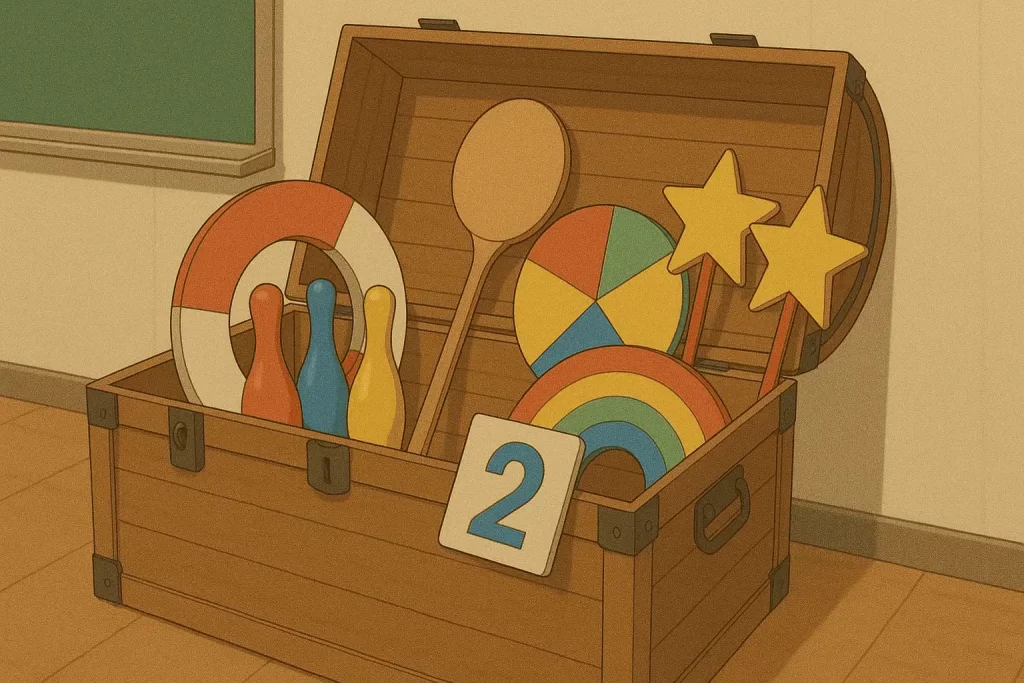
Why Right Brain Motivation Works Well in Education
Right Brain Core Drives don’t just work—they work wonders. Because when kids feel something, they remember it. When they’re curious, they explore. And when they feel seen, they show up.
Emotional Depth Builds Retention
Tug at the heartstrings and the brain takes notes. Use music, stories, visuals—anything that makes students feel.
Collaboration Powers Connection
Teamwork builds more than projects. It builds people. Students learn just as much from each other as from you.
Right-brain-friendly teaching tips.
Curiosity Drives Creativity
Routine numbs. Surprise awakens. Feed their imagination and you’ll unlock potential you didn’t even know was there.
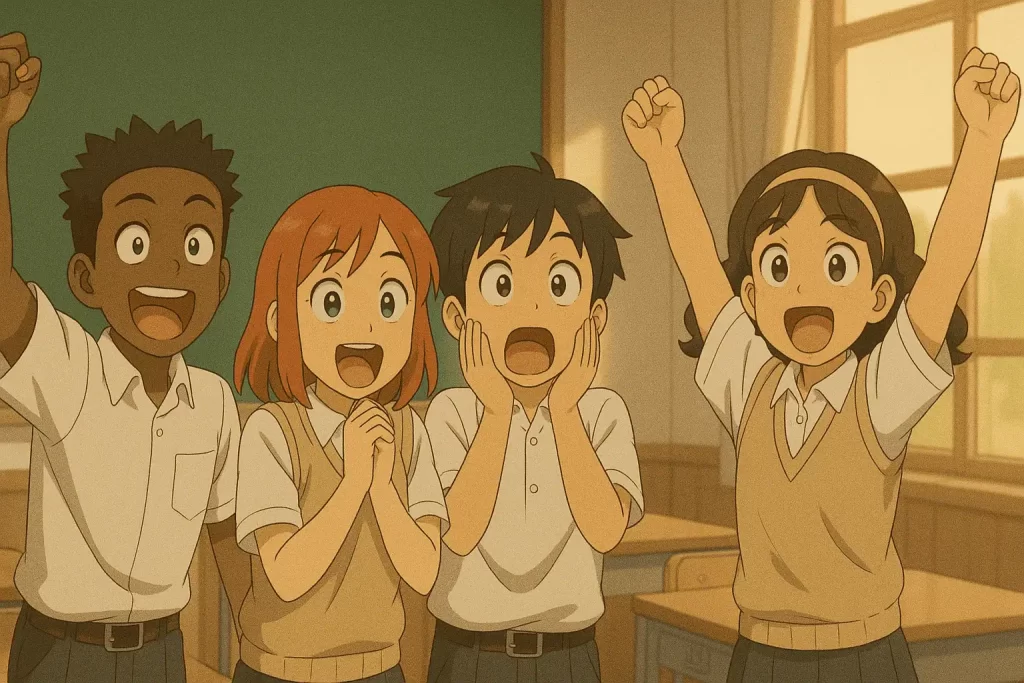
Reimagining Motivation in the Classroom
At the end of the day, motivation isn’t just about engagement strategies—it’s about emotional resonance. Octalysis Framework Right Brain Core Drives give us a roadmap for creating classrooms that feel alive.
So the real question is: what would happen if every student felt like school was made for them?
Let’s find out. ✨
Want more ideas like this? Subscribe to get real-talk tips and gamification goodies straight to your inbox.
Want to explore more ways to motivate your students with Octalysis Framework?
Visit the Ultimate Guide to Octalysis Framework.
This comprehensive guide provides an overview of the entire framework and links out to more posts exactly like this one to guide you through all 8 Octalysis Framework Core Drives and even more!
What are the Right Brain Core Drives in the Octalysis Framework?
These drives focus on intrinsic, emotionally-driven motivation. The big three are:
Epic Meaning & Calling (feeling part of something bigger),
Social Influence & Relatedness (relationships, collaboration, and recognition),
Unpredictability & Curiosity (surprise, mystery, and creativity).
Together, they help students feel inspired, connected, and engaged on a human level—not just checking boxes for points.
Aren’t rewards enough to motivate students? Why focus on emotions?
Short-term? Sure. Stickers and candy can get a worksheet done. But lasting motivation comes from students feeling emotionally connected to their work. Right Brain Core Drives create buy-in because students care, not just comply. You’re not just getting effort—you’re getting investment.
How can I use Epic Meaning & Calling in my actual lesson plans?
Easy! Tie lessons to real-world impact.
For example: Instead of “learn about recycling,” frame it as “join our mission to reduce waste in our community.” Add a story, a purpose, or even a student-led initiative—and suddenly, your classroom becomes a movement, not a worksheet factory.
What if my students just want to have fun and don’t care about purpose?
Ah, but fun is a Right Brain motivator—hello, Unpredictability & Curiosity!
Use plot twists, mystery prompts, or interactive challenges to keep them guessing. You’re not abandoning standards—you’re just delivering them in a way that feels like a choose-your-own-adventure instead of a pop quiz.
Is Social Influence & Relatedness just group work with a fancy name?
Not quite. It’s about meaningful social connection—where students feel seen, supported, and proud of their impact. Peer shoutouts, collaborative wins, and student-led celebrations go a lot further than just “get into groups of four and make a poster.”


